Visit Casa Batlló
in Barcelona
- UNESCO World Heritage Site
- Audio guide included
- View current availability
- Ticket delivered immediately after validation
- Mobile ticket accepted
- Non-refundable ticket under the listed conditions
Let augmented reality reveal the dragon and hidden legends of Gaudí. This 1904 renovation transforms stone into a living organic masterpiece in the heart of Barcelona.
Ticket options
Prices and conditions

Casa Batlló: Entry Ticket
From 31 €.
Visit one of Gaudí's most popular masterpieces.

Casa Batlló: Evening Ticket
From 29 €.
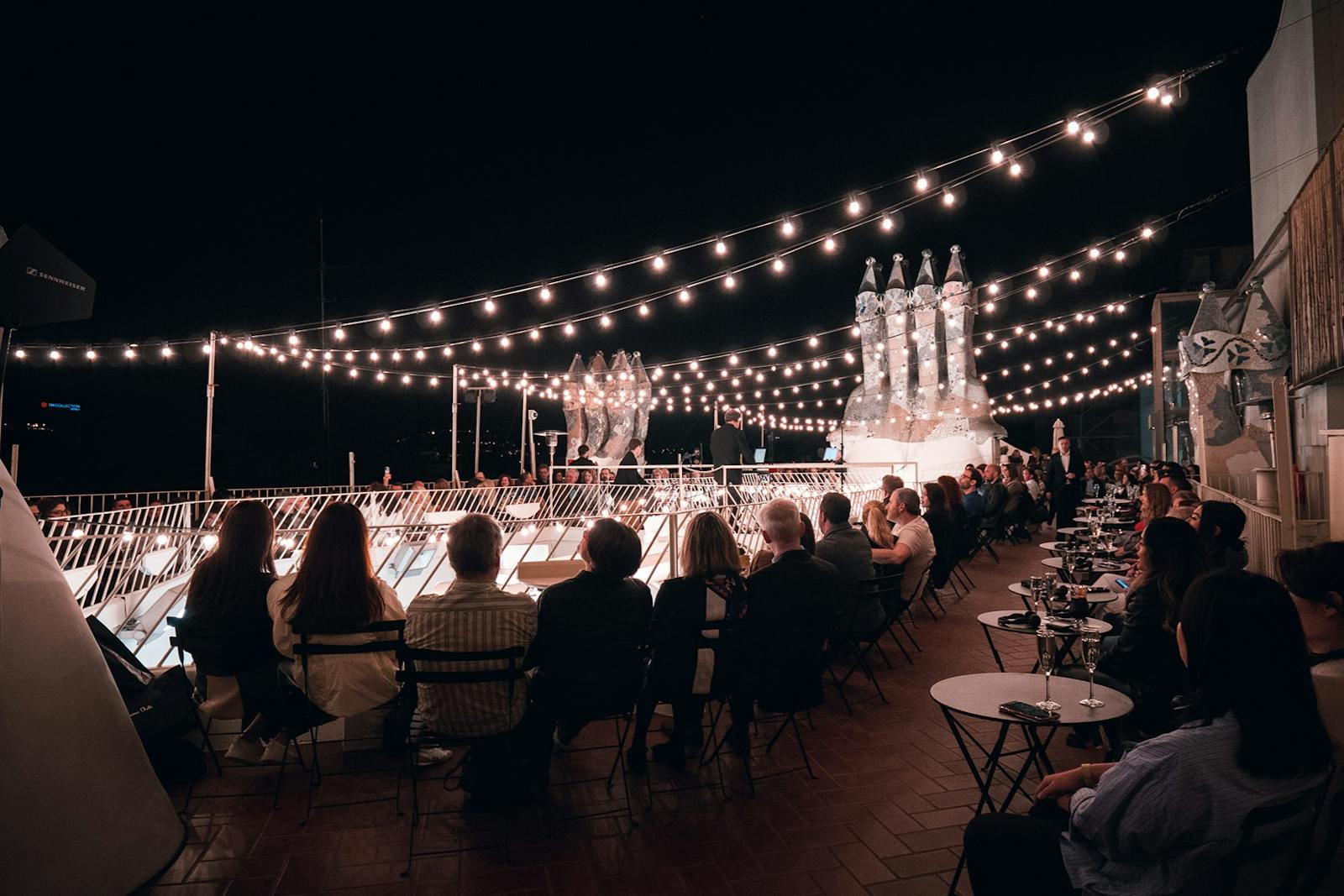
Tour the illuminated architecture and watch a vibrant light display.

Casa Batlló: Concert Ticket
From 59 €.
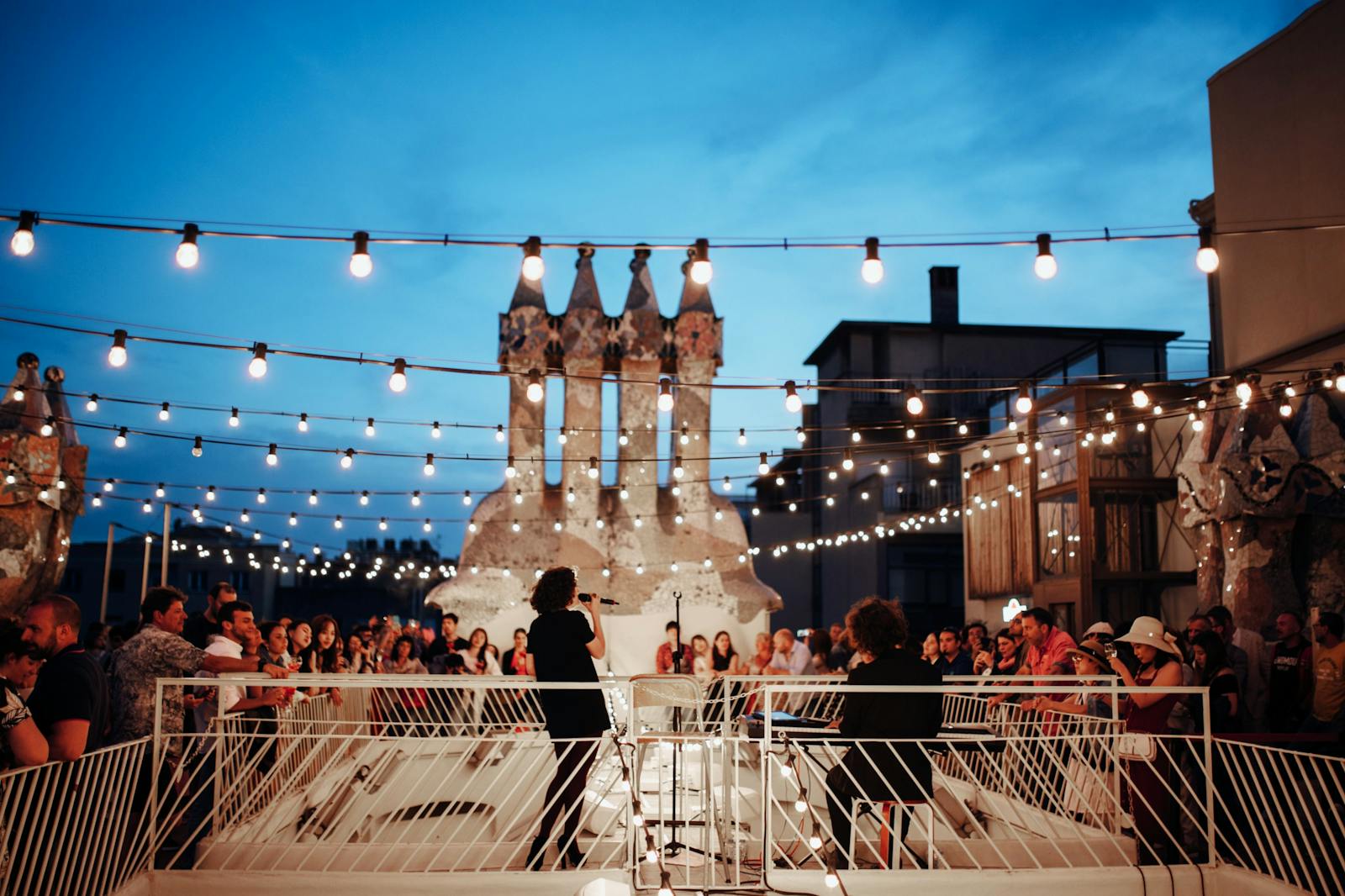
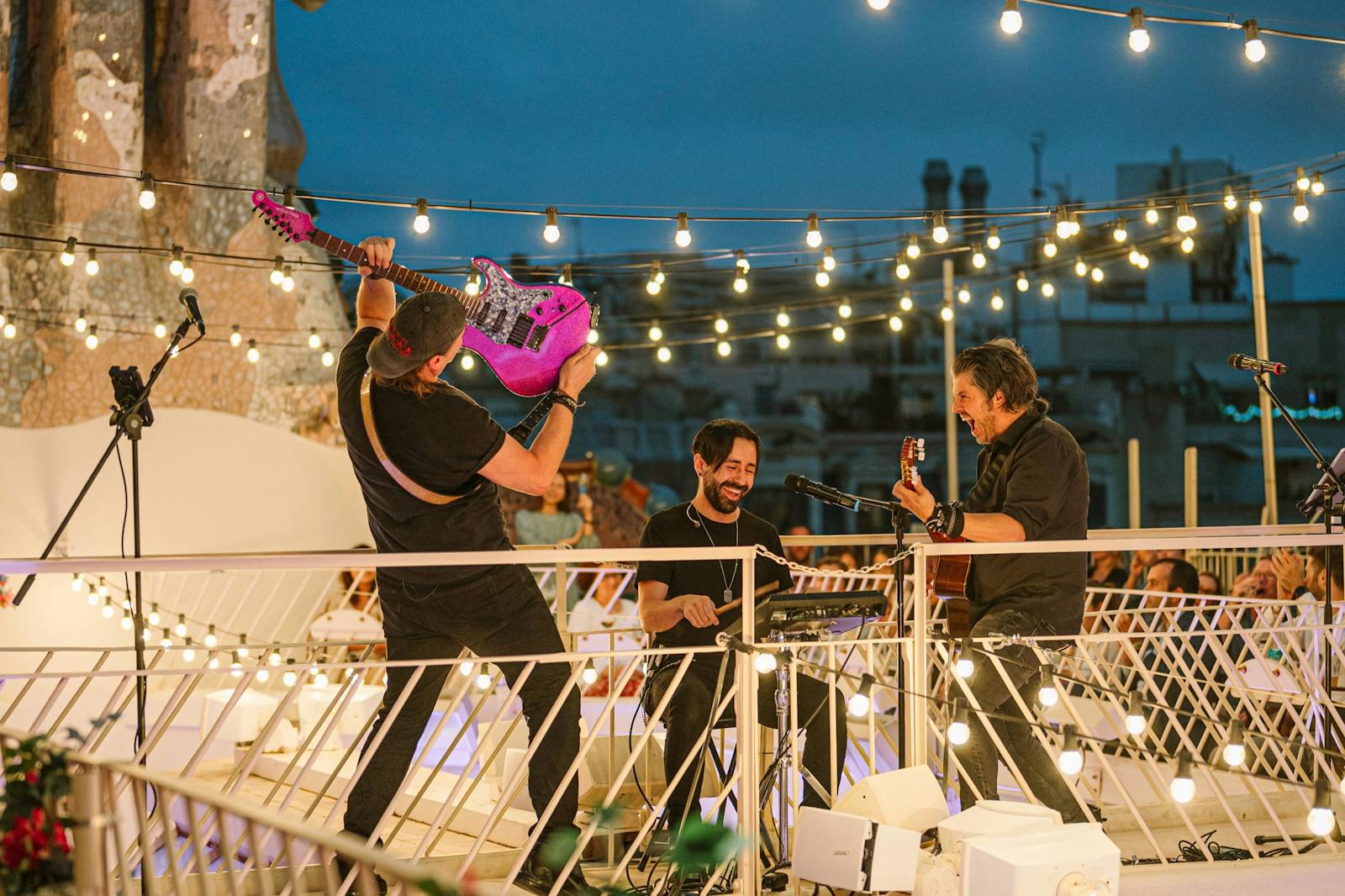
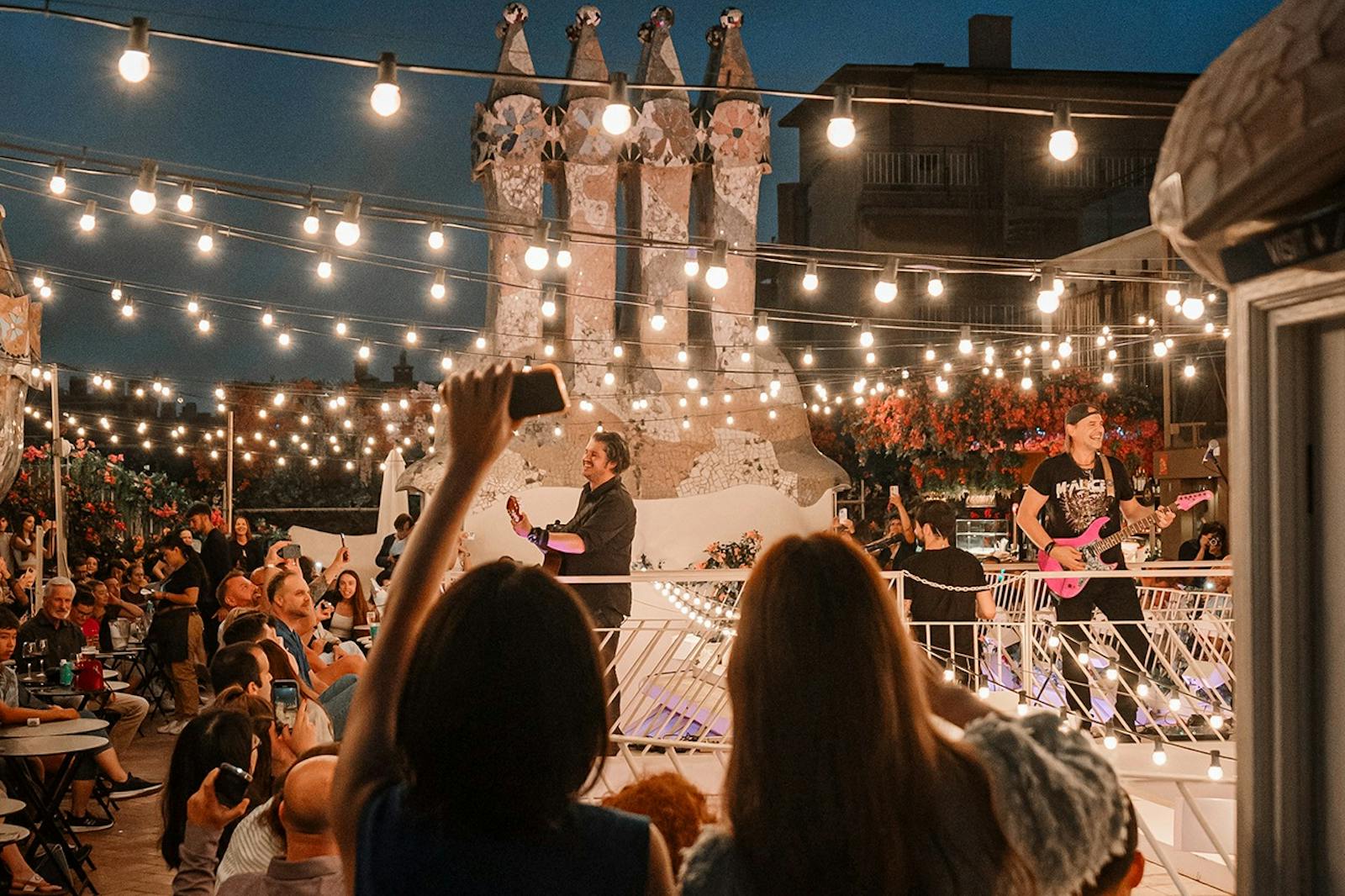
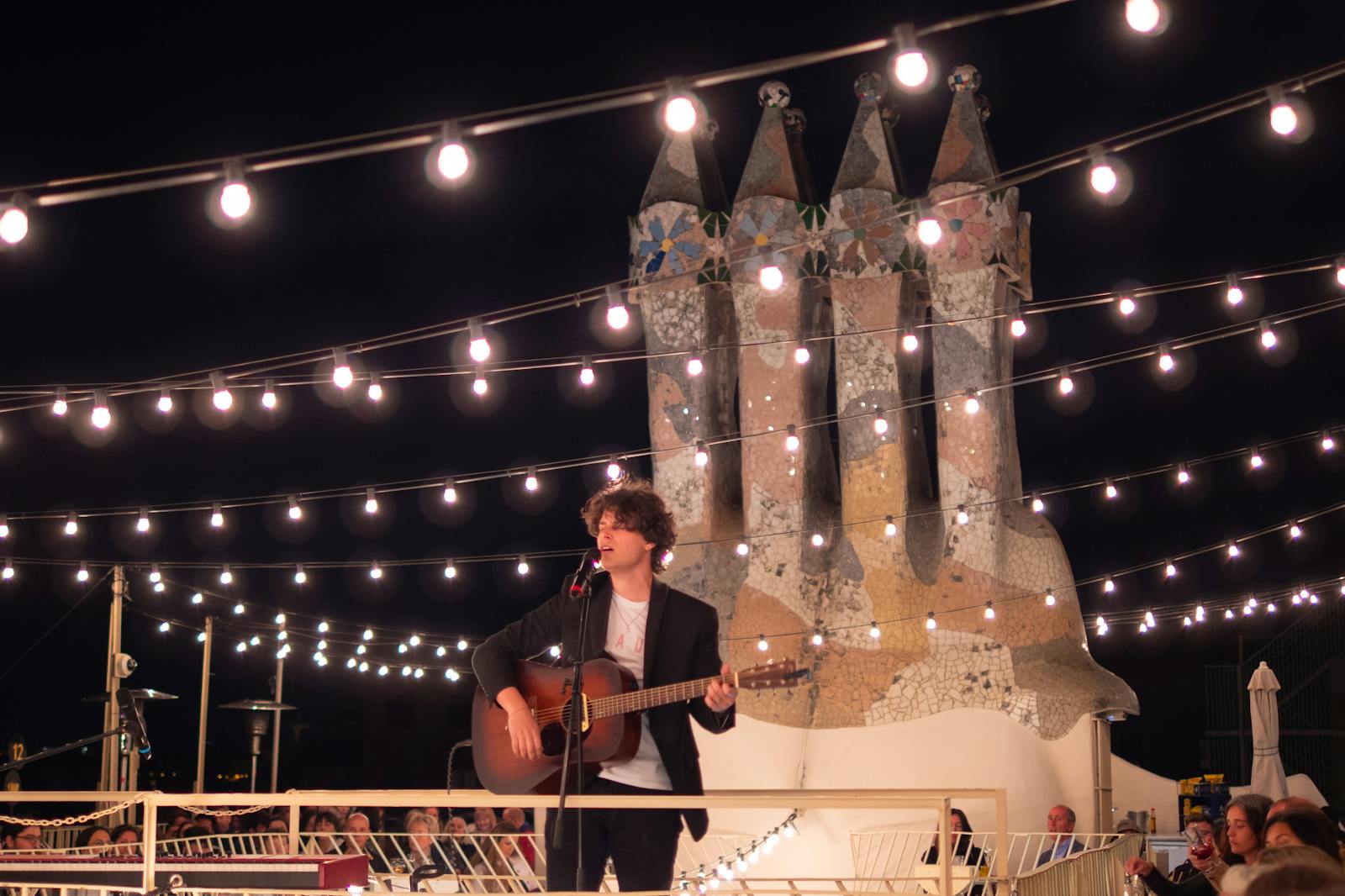
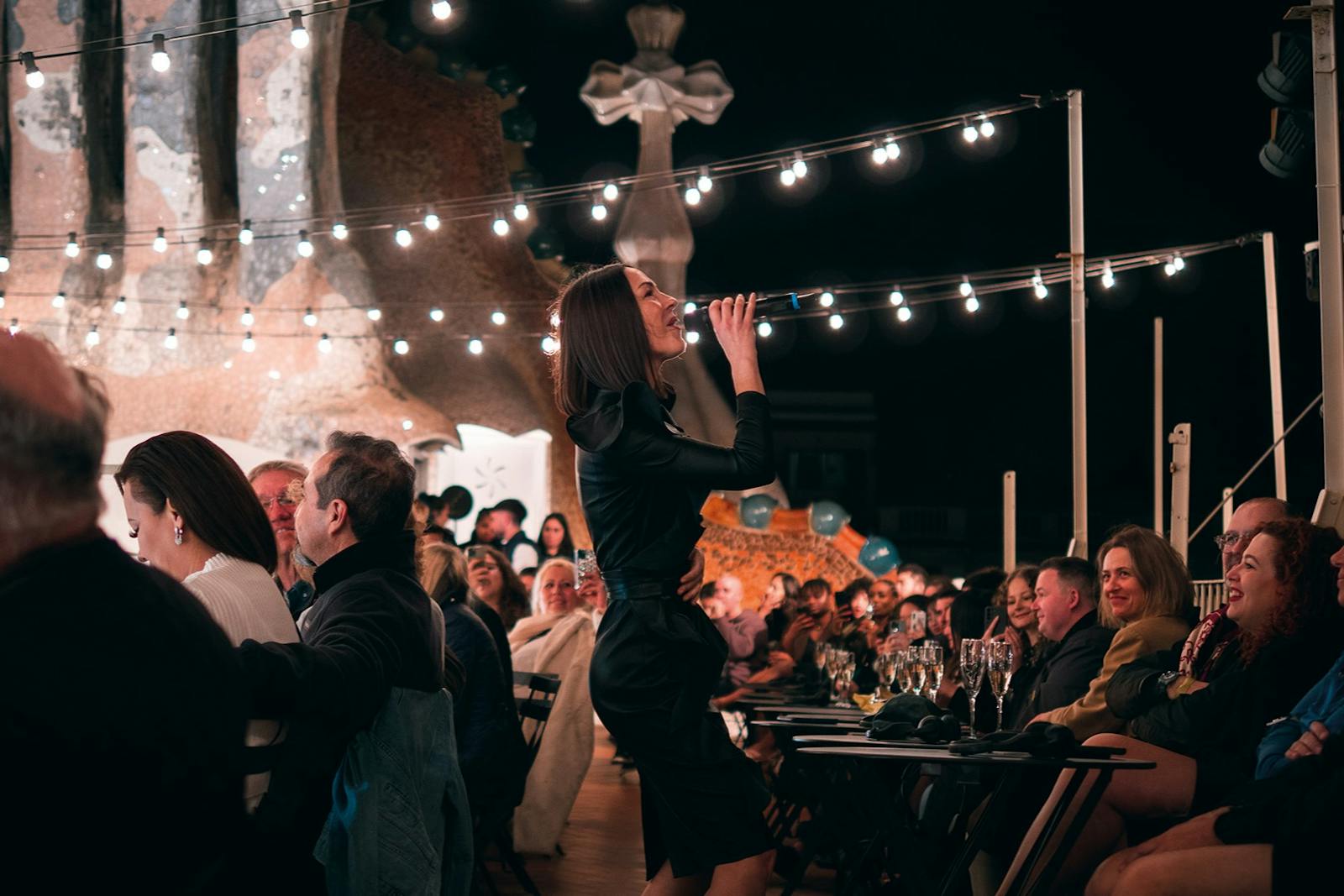
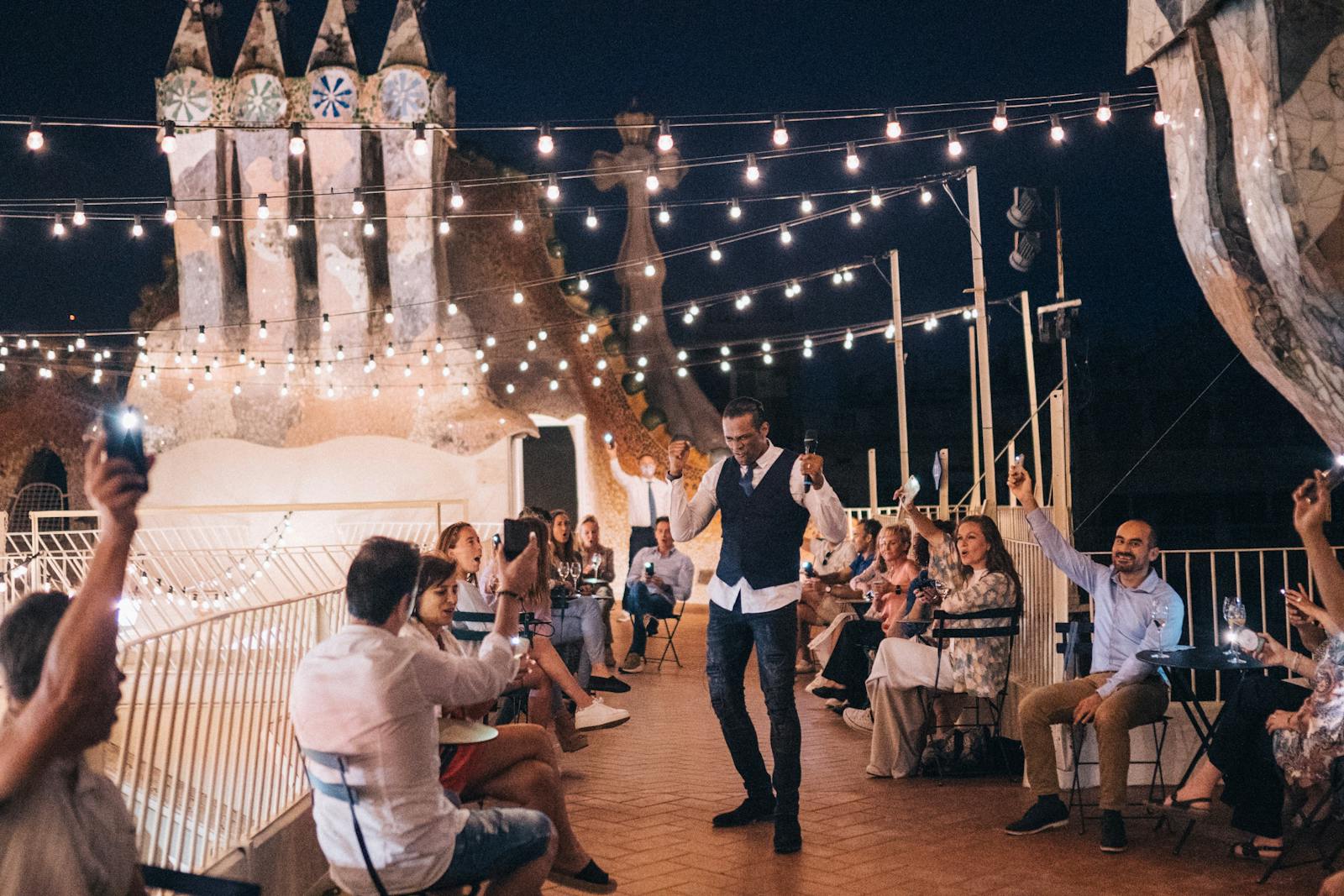
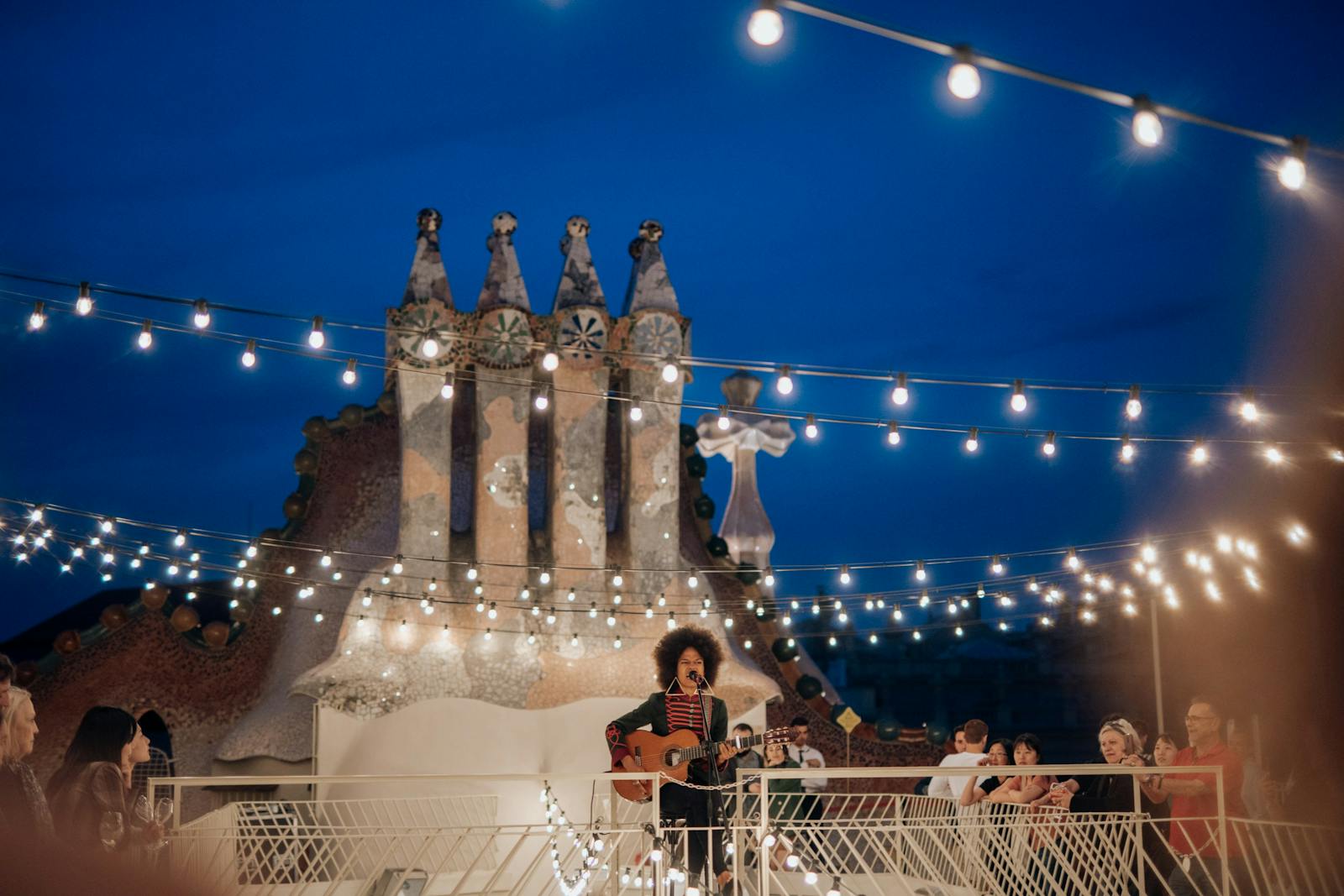
Attend a concert on the rooftop while drinking cava.

Casa Batlló: Early Entrance Ticket
From 45 €.
The early bird gets more Gaudí. Beat the crowds to a very Moderniste morning.

Gaudí Houses: Guided Tour
From 109 €.
Explore Antoni Gaudí's unique homes in a single afternoon.

Casa Batlló: Fast Track Ticket + Guided Tour
From 56 €.
Uncover Gaudí's masterpiece, Casa Batlló, in Barcelona.

Casa Batlló: Guided Tour in Chinese
From 49 €.
Learn about the family's history and tour the building.

Casa Batlló: Guided Tour in Japanese
From 45 €.
Learn about the design and architecture.
What visitors say
Thousands of visitors have already booked their visit: reviews and testimonials
★ 4.6/5 · 12 reviews collected directly from visitors and moderated by Visit Tickets
"We downloaded the app before arriving to see the dragon in augmented reality. It’s mind-blowing! The central patio is magnificent, with colors that shift depending on the light. We took the advice to arrive 15 minutes early seriously."
"The roof with its chimneys shaped like men makes for a class photo. We thoroughly enjoyed the Block of Discord afterward; it’s great for comparing with Casa Amatller. A bit crowded, but it flowed well."
"Traveling solo, I loved the trencadis on the floor. The dragon on the roof is truly impressive up close. I bought an advance ticket to avoid the crowds, and it paid off. The 31 euros are worth every cent."
"The skulls on the balconies are a fascinating detail. We took the guided tour option, which does a great job explaining the connection to Saint George. The staff is professional, and the atmosphere is truly unique in Barcelona."
"Very beautiful building, especially the bony columns of the facade. A bit disappointed by the price at the exit shop, but the overall experience remains positive. The view from the rooftop is superb."
"We visited with our kids, who loved the dragon aspect. The patio is very photogenic. I followed the tip to take photos from spot #35, and the results were flawless. A total success of Modernisme."
"The glass Celtic cross at the top is a real gem. The light in the central patio really changes with the time of day; we got lucky with the sun. The augmented reality app is a huge plus."
"Beautiful architecture; the bones on the facade are striking. The queue was a bit long even with the pre-booked ticket, a shame. But the interior and the view of the chimneys more than make up for it."
"I had read that Gaudí renovated a 1875 building; it’s fascinating to see this repurposing. The dragon is all over the imagination. We had a magical time, especially outside."
"Jujol’s trencadis is a technical marvel. We thoroughly enjoyed the night tour; the lighting is fairytale-like. At 31 euros, it seems pricey, but it’s a complete immersive experience."
"The patio is the heart of the place; the light there is incredible. We also visited the Casa Amatller right next door, and the contrast is superb. An absolute must-see during our stay in Barcelona."
"Very beautiful spot; the dragon is stunning. However, access for my father in a wheelchair was a bit tricky in the narrow corridors, but the staff were very attentive. very attentive. A lovely surprise."
Practical info
Everything you need to plan your visit
Address
08007 Barcelona, Spain
Catalunya
Eixample · Metro: Passeig de Gràcia (L3, L4, L5) or Diagonal (L3, L5, L7).
Opening Hours
Open every day. Extended hours in summer (until 9 PM). Check specific slots for the night visit.
Prices
Casa Batlló: Evening Ticket : From 29 €
Gaudí-Miró-Gomis: Deconstructed Exhibition Ticket : From 15 €
Casa Batlló: Concert Ticket : From 59 €
Casa Batlló: Early Entrance Ticket : From 45 €
Gaudí Houses: Guided Tour : From 109 €
Casa Batlló: Fast Track Ticket + Guided Tour : From 56 €
Casa Batlló: Guided Tour in Chinese : From 49 €
Casa Batlló: Guided Tour in Japanese : From 45 €
Show more ▾
Children (3-17 years) and seniors benefit from reduced rates. .
Visit Duration
Photos
Audience
Accessibility
PMR
Access to floors by elevator, but some historical stairs remain inaccessible.
Family
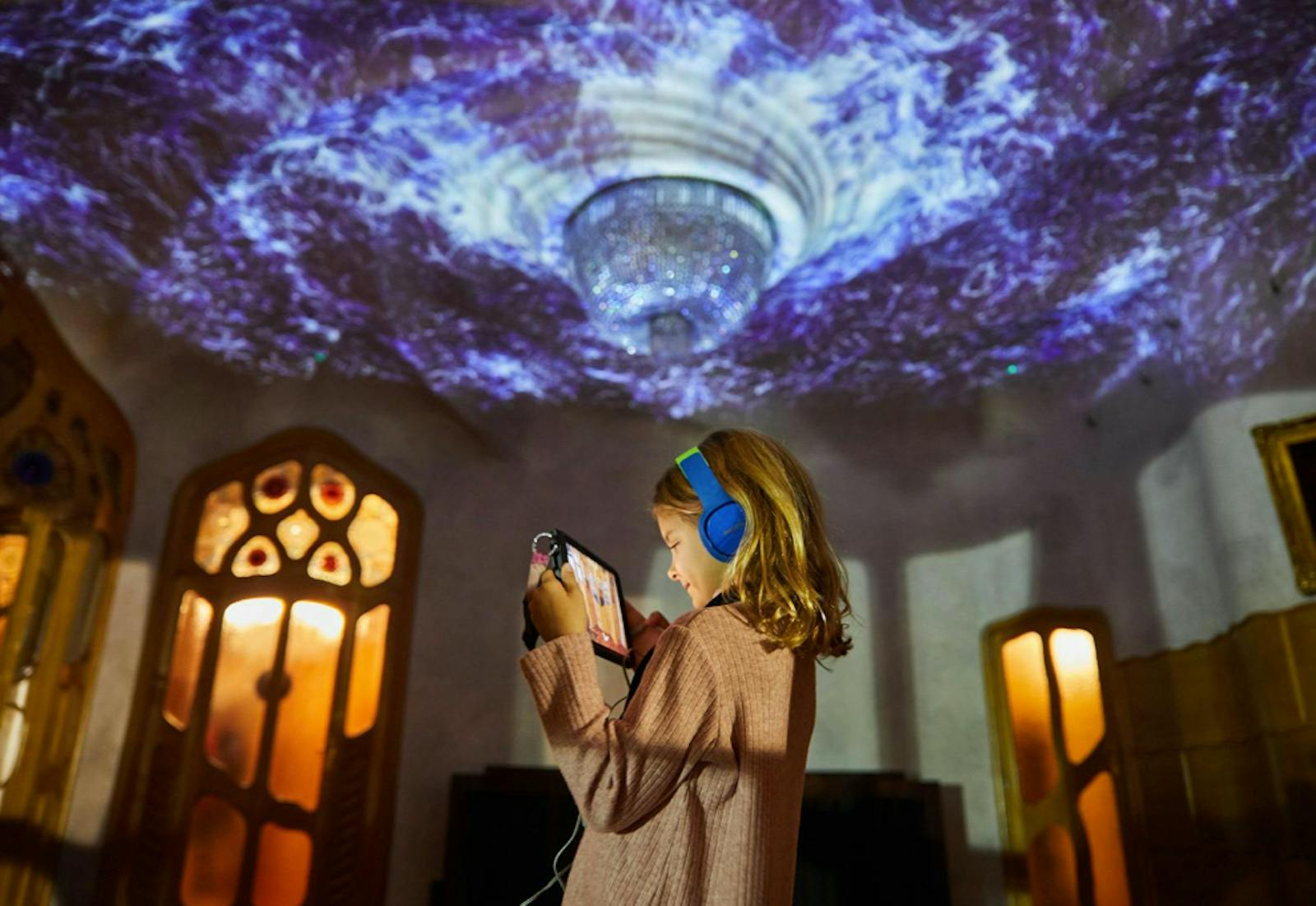
Immersive experience adapted for children thanks to augmented reality and legends.
Audio guide
French, English, Spanish
Weather in Barcelona
Current conditions and forecast to plan your visit
Discover Casa Batlló
A modernist masterpiece born in 1904
Antoni Gaudí's flagship work on Passeig de Gràcia
1904-1906
Renovation period
UNESCO
World Heritage
1877
Initial construction
Located in the heart of Passeig de Gràcia, Casa Batlló embodies the genius of Antoni Gaudí. This UNESCO-listed building is not a construction from scratch but a total renovation carried out between 1904 and 1906. The original building dated from 1877, designed by Emilio Sala Cortès. Gaudí transformed this rigid structure into a living organic work, using stone, wrought iron, and trencadis to evoke the sea and bones.
History of Casa Batlló
The genesis of this building is rooted in the economic rise of the Catalan bourgeoisie. Josep Batlló i Casanovas, a textile industrialist, financed this renovation with capital repatriated from Cuba after 1898. This period marks a second industrial wave in Catalonia, allowing patrons like Batlló to commission bold works. The investment of these funds allowed the transformation of a standard bourgeois building into a global architectural icon, reflecting the economic power of the time on Passeig de Gràcia.
Contrary to popular belief, Gaudí did not build the house from scratch. He undertook a total renovation of an existing 1877 building. This approach required complex engineering to modify the structure without demolishing it. Gaudí surrounded himself with essential collaborators, notably Josep Maria Jujol and Joan Rubió i Bellver, who contributed to the realization of decorative and structural details. This collaboration nuances the image of the solitary genius, showing instead a precise orchestration of complementary talents.
The façade is considered one of Gaudí's most original, marking a turning point in modernism. It fits into the context of the Block of Discord, a unique urban block where three major architects imposed distinct styles. This coexistence of radical visions on the same urban space creates a fascinating architectural dialogue. Casa Batlló shines here with its fluid organicism, contrasting with the more geometric lines of its neighbors, the Casa Amatller and the Casa Lleó Morera.
What to see at Casa Batlló
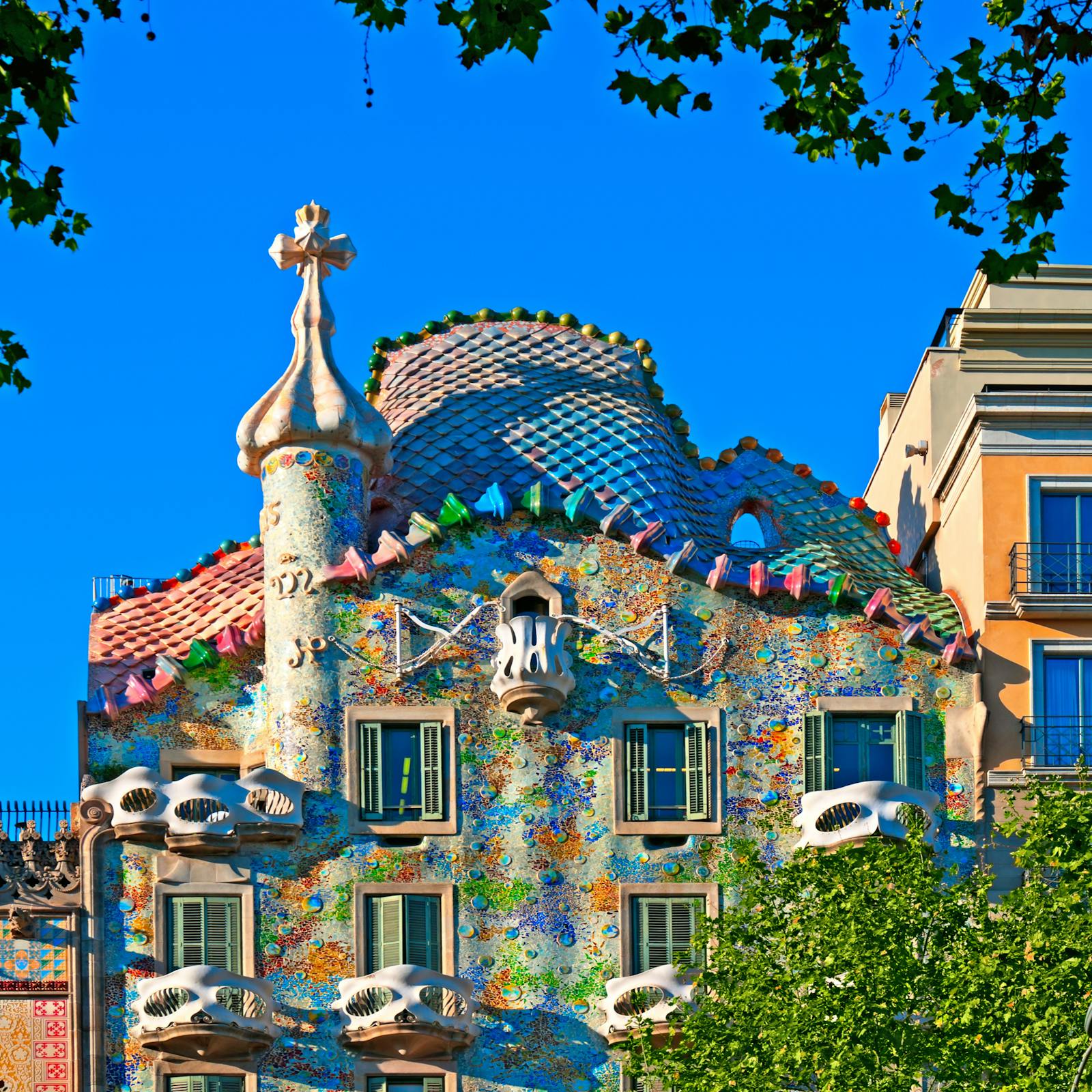
The main façade tells the legend of Saint George and the dragon. The wrought iron balconies resemble skulls and bones, evoking the remains of the defeated dragon. The windows serve as eyes and the doors as mouths, creating a symbolism of protection and death. This narrative interpretation transforms architecture into a living mythological scene, where each structural element takes on deep symbolic meaning for attentive visitors on the Block of Discord.
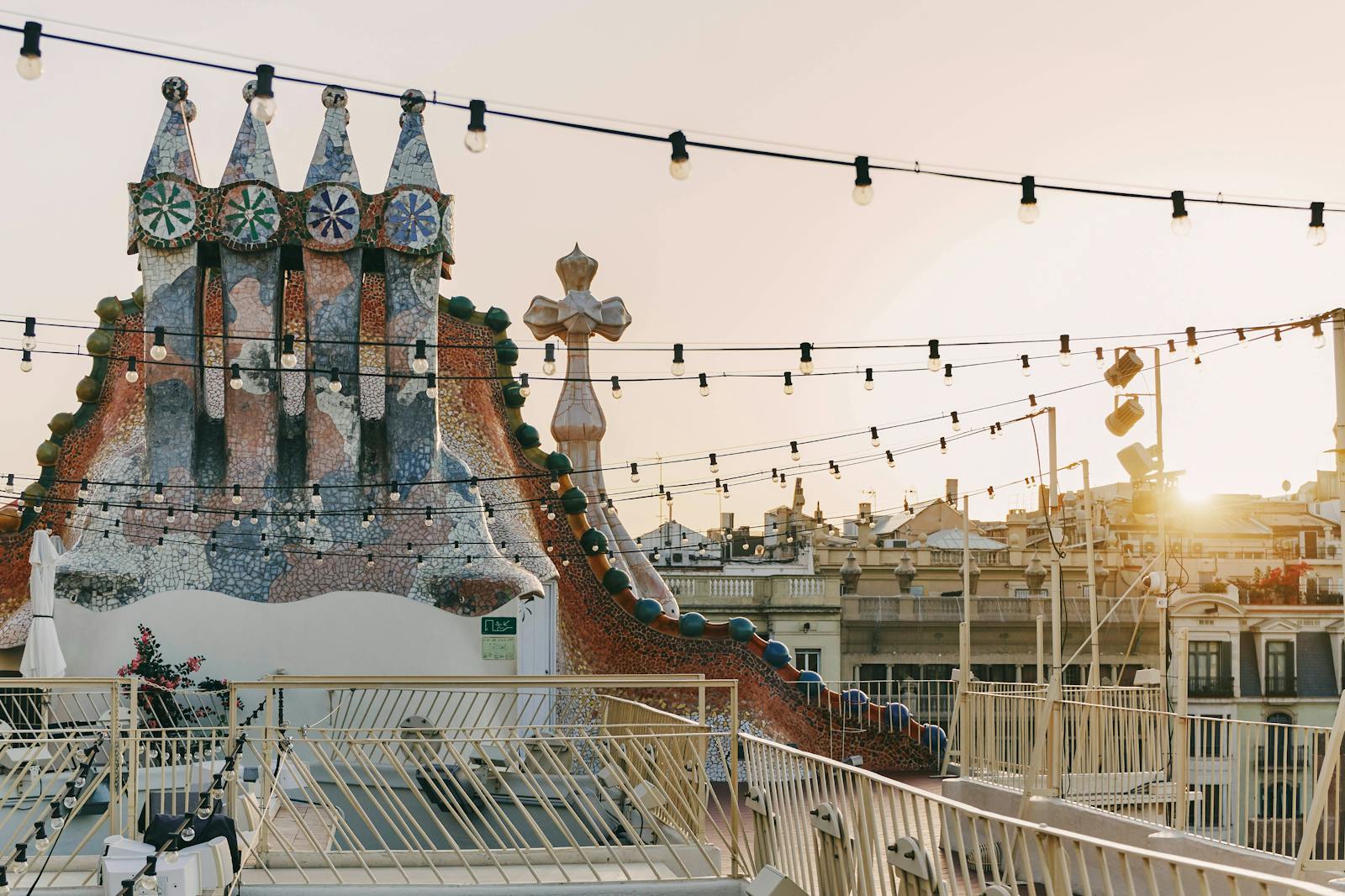
The roof is a sea of polychrome ceramic in the shape of scales, crowned by a Celtic cross that recalls the flames of a bonfire. The chimneys, designed as little men or helmets, add a playful touch to this dreamlike composition. The use of trencadis, a mosaic technique with fragments of glass and ceramic, allows for fluid curves impossible with standard materials. This mastery of materials offers a changing palette of colors depending on the daylight on the house roof.
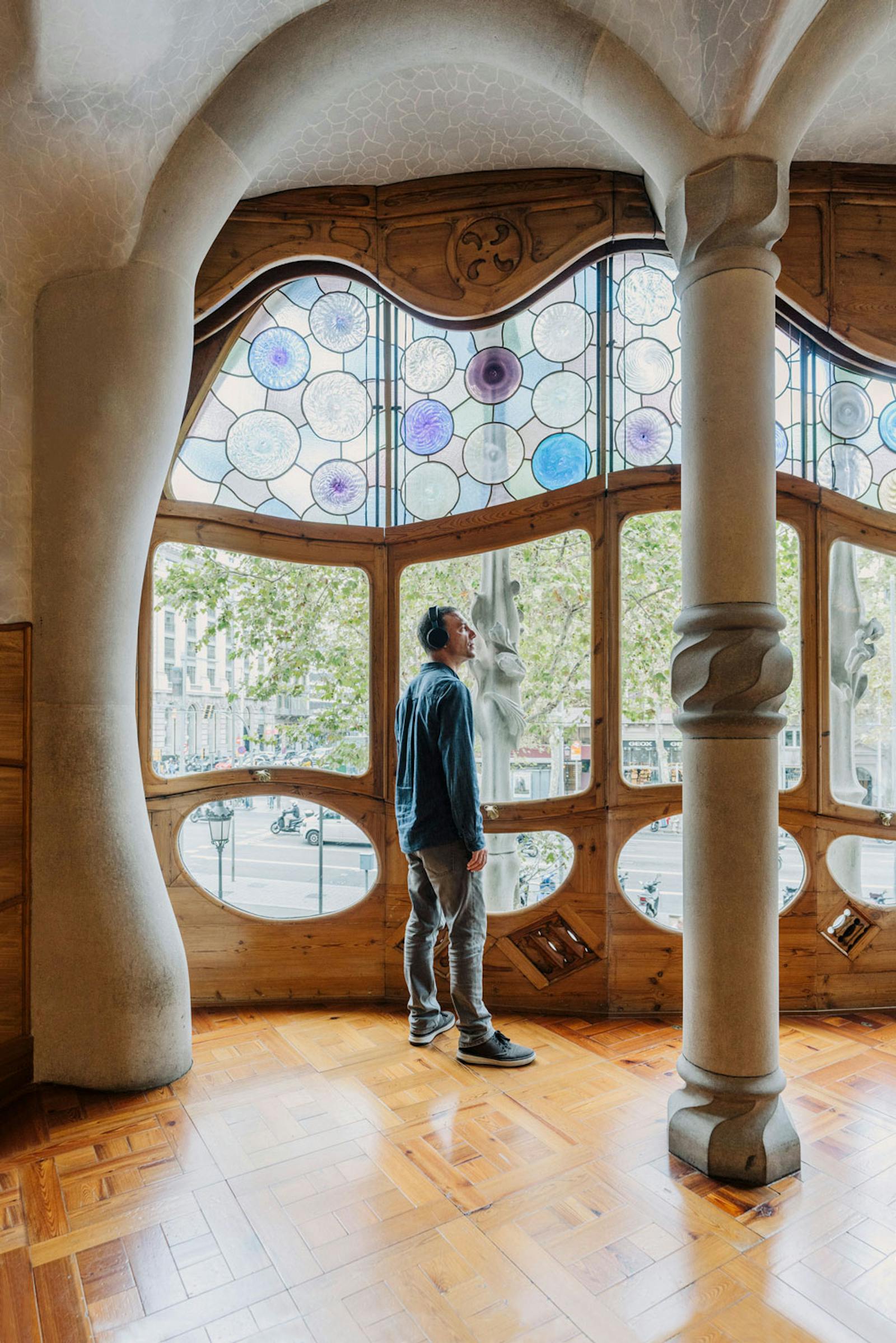
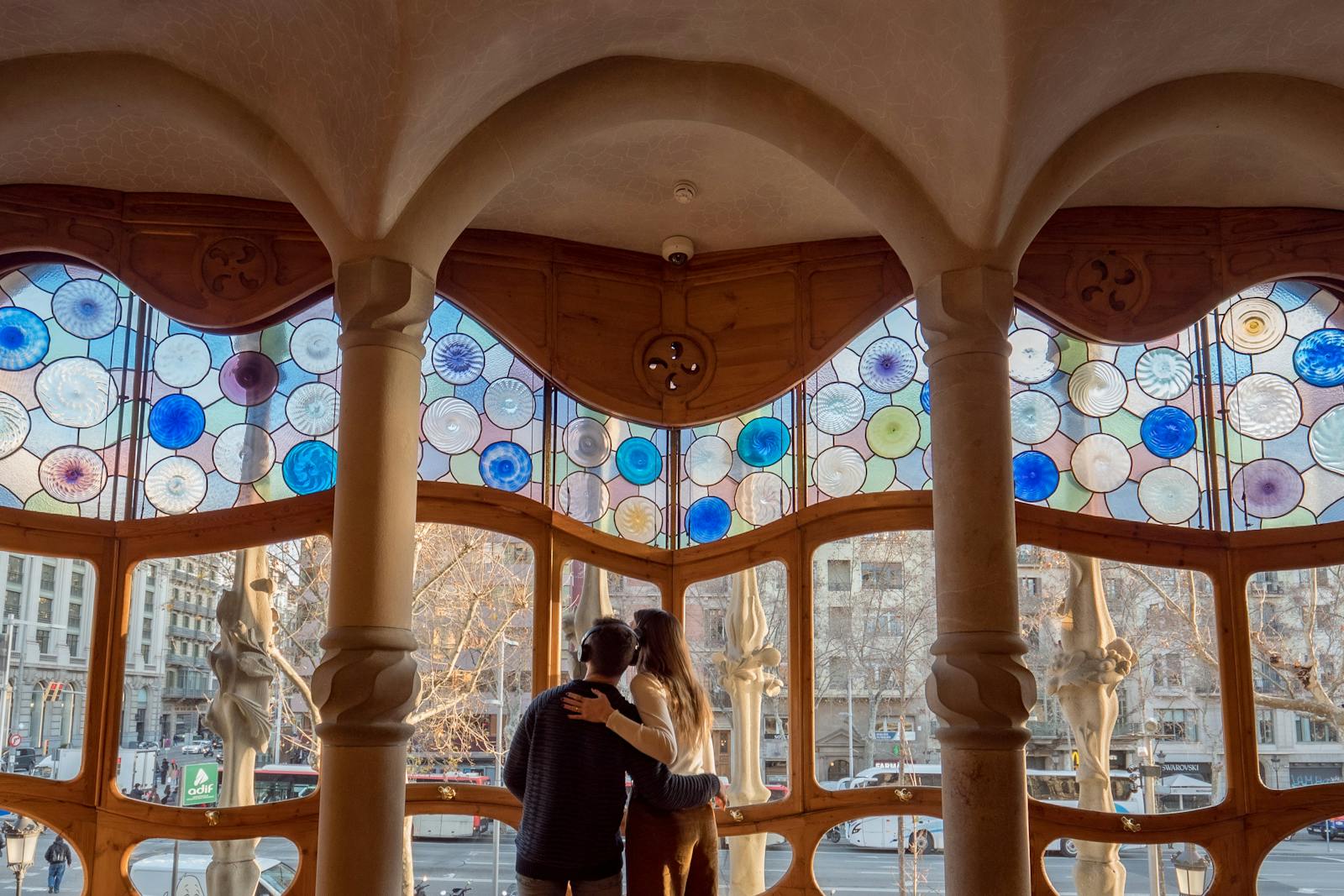
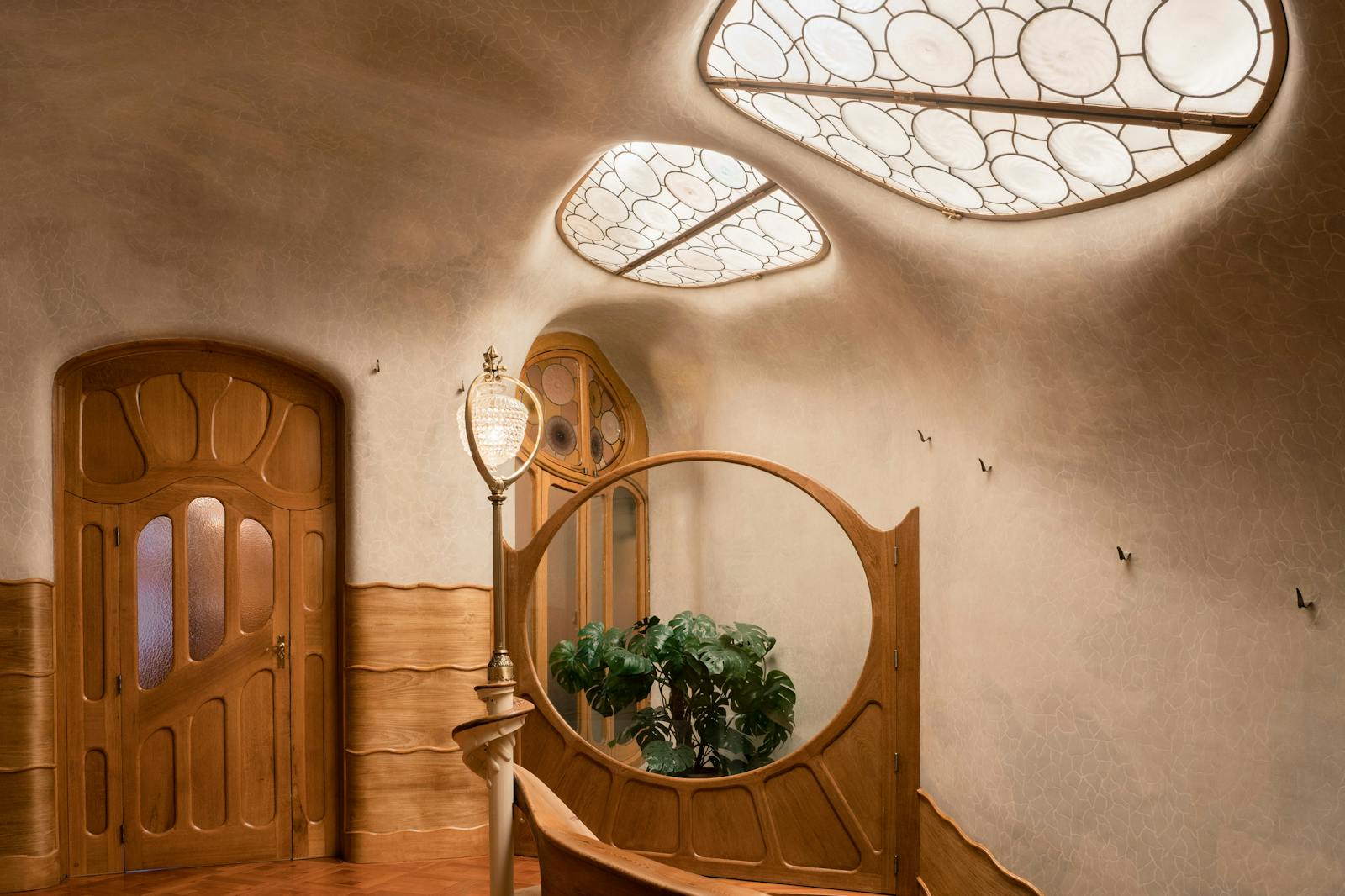
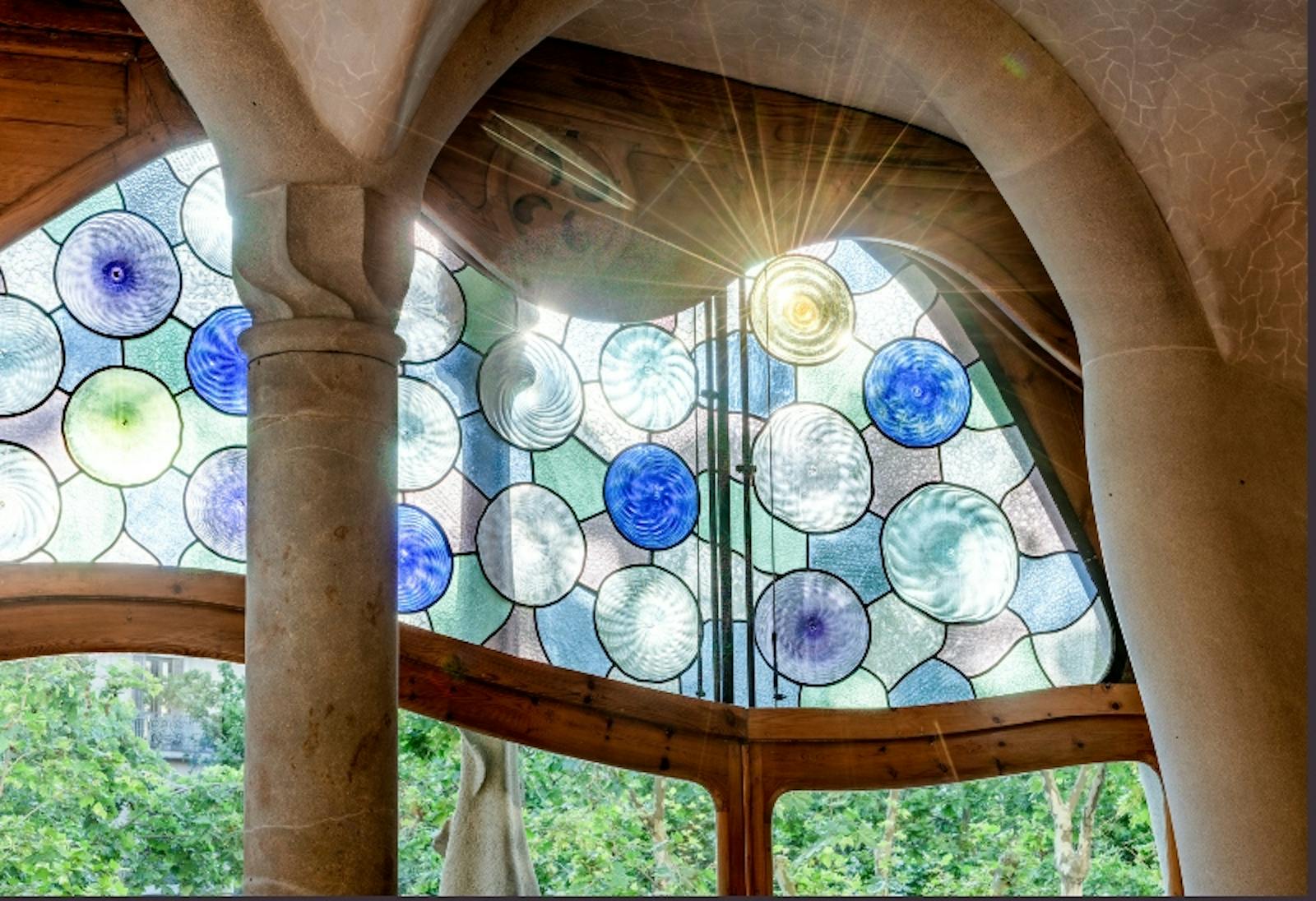
Inside, natural light is orchestrated to create a breathing effect. Gaudí designed the stairs and windows to maximize lighting, creating a light-filled atmosphere that flows through the floors. The central patio, with its blue tiles at the top and yellow at the bottom, mimics the sky and sunlight. This attention to natural light highlights the organic aspect of the house, where architecture seems to respond to natural cycles rather than resist them, particularly in the reception room.
Visiting the Block of Discord
The Block of Discord, located between numbers 35 and 45 on Passeig de Gràcia, is an open-air museum. It houses three distinct modernist styles: the classicism of Puig i Cadafalch, the ornamentation of Domènech i Montaner, and the organicism of Gaudí. Visiting these three houses allows you to understand the diversity of Catalan modernism. Each architect interpreted the movement in their own way, creating a striking contrast that enriches the visitor's experience.
The Casa Amatller (n°41) and the Casa Lleó Morera (n°45) frame Casa Batlló. Their more structured architecture highlights the fluidity of Gaudí's forms. By comparing these buildings, one better grasps the radical nature of the 1904 renovation. The Block of Discord is therefore essential to contextualize Gaudí's work. It shows how the same urban space can accommodate such different architectural visions, reflecting the aesthetic debates of the time.


The hidden symbols of the façade
Decoding Gaudí's organic work
Tips for visiting Casa Batlló
Insider tips
Arrive 15 minutes early
Ticket control is strict regarding the time slot. Arriving on time allows you to enjoy the outdoor queue, which offers beautiful views of the façade. Not being late ensures a smooth and stress-free entry.
Download the Casa Batlló app
The official app allows you to visualize legends in augmented reality before the visit. This considerably enriches the on-site experience by preparing the mind for hidden details. Activate GPS for optimal accuracy.
Photo of the façade from the street
The best photo of the façade is taken from the sidewalk opposite, at number 35. This position captures the entire curve and the vivid colors of the trencadís. Avoid angles that are too low to properly show the perspective.
Visit the Block of Discord
After the visit, walk to 41 (Casa Amatller) and 45 (Casa Lleó Morera). This short walk helps understand the architectural contrast between the three Modernist styles. Compare the façades to grasp the diversity of the movement.
Observe the central patio
The patio is the heart of the house; observe how the colors of the tiles change with the daylight. The blue at the top becomes yellow at the bottom, creating a natural gradient. Take the time to contemplate this optical effect.
Go up to the roof
The roof offers a unique view of the chimney pots shaped like little men and a perspective on the other roofs of Barcelona. It is a must-see to understand the organic symbolism. Do not skip this step for a complete and memorable experience.
Book the evening time slot
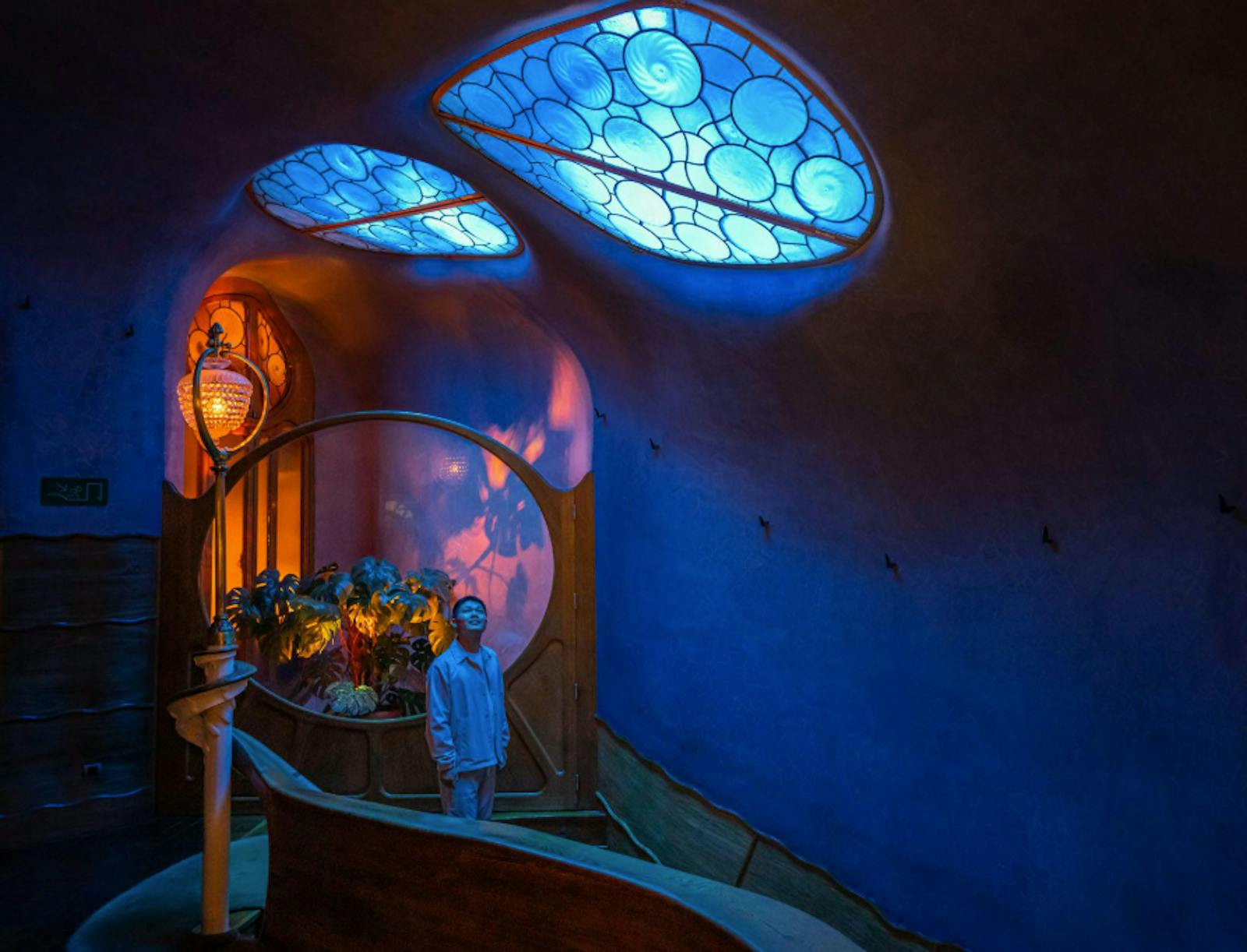
Time slots after 6:00 PM are less crowded, and the artificial lighting highlights the details of the trencadís and wrought iron. It is ideal for photos without crowds. Check closing times according to the season.
Combine with Passeig de Gràcia
Casa Batlló is in the heart of the chic district; combine the visit with a coffee break or shopping on Passeig de Gràcia. This pedestrian street is perfect for relaxing. Enjoy the local atmosphere after the cultural visit.
Ready to book?
Choose your tickets online and check their conditions before booking.
Book my ticketsDid you know?
Little-known anecdotes
The Block of Discord
This nickname refers to the block from 35 to 45 Passeig de Gràcia where three major architects imposed radically different styles. This unique coexistence between Puig i Cadafalch, Domènech i Montaner, and Gaudí creates a striking architectural contrast.
The textile industry
The house was commissioned by Josep Batlló, a textile industrialist. His wealth came from capital repatriated after the loss of Cuba in 1898. This investment by the Catalan bourgeoisie allowed for the total renovation of the building between 1904 and 1906, marking the peak of Modernism.
Hidden collaborators
Although Gaudí was the main genius, he was assisted by Josep Maria Jujol and Joan Rubió i Bellver. These collaborators were essential in realizing the complex details of the trencadís and wrought iron, nuancing the idea of a solitary work.
Renovation of an 1875 building
The original building was constructed in 1875 (not 1877). Gaudí did not build the house from scratch but carried out a total renovation between 1904 and 1906, transforming a conventional structure into a Modernist masterpiece.
The bony balcony and the legend of Sant Jordi
The façade of Casa Batlló is famous for its wrought-iron balconies that resemble skulls and bones. This organic form is not merely aesthetic but is part of the house's mythological narrative. According to the legend imagined by Antoni Gaudí, the main balcony represents the skull of the dragon defeated by the knight Sant Jordi during the Feast of Saint George. The dragon, a symbol of evil, was killed by the knight, and its blood, transformed into a red rose, is visible in the mosaics of the façade. This narrative interpretation gives symbolic depth to the architectural elements, turning stone and iron into a scene from a modern fairy tale, typical of Catalan Modernism from 1904 to 1906.
The innovation of natural lighting via the inner courtyard
One of the technical feats of Antoni Gaudí in the renovation of Casa Batlló lies in his management of natural light. The architect designed a central inner courtyard, often called the house's "lung," whose walls are covered in blue and green ceramics. These colors are not chosen by chance: they reflect sunlight into the interior rooms, thus increasing the natural lighting of the upper floors which would otherwise be plunged into shadow. This innovation allowed the 450 square meters of each floor to be lit without resorting to electricity, which was still expensive and unreliable at the time of construction in 1905. This ingenious solution also improves ventilation, creating a chimney effect that drives hot air upwards.
Incorporate Casa Batlló into your Barcelona trip
Three itineraries based on available time
Modernist Morning
- 9:00 AM: Casa Batlló Tour (early morning slot)
- 11:00 AM: Light lunch on Passeig de Gràcia
- 12:30 PM: Quick visit to Casa Amatller and Casa Lleó Morera (exterior)
- 2:00 PM: Return to hotel or metro
Gaudí Immersion
- 9:00 AM: Casa Batlló (full tour)
- 11:30 AM: Lunch in El Born
- 1:30 PM: Park Güell (booking required)
- 5:00 PM: Return to center, visit Sagrada Família (exterior or interior if time permits)
- 7:30 PM: Dinner in El Born, lively and authentic historic quarter
Barcelona Art Nouveau
- Day 1: Morning Casa Batlló, Afternoon Passeig de Gràcia and shopping
- Day 2: Morning Sagrada Família, Afternoon Park Güell, Evening tapas
- Day 3: Morning Gothic Quarter, Afternoon Miró Foundation or MNAC, Evening departure
3 Gaudí Houses

Explore Barcelona with a public transport ticket that gives you free and unlimited access to the city and suburban transport ne…
From 91 €
See also
More must-see experiences in Barcelona
Interactive map
Find the attraction and nearby places to visit
Near Casa Batlló
Make time to explore the surrounding area
Casa Amatller
2 min walk
Gothic neighbor on the Block of Discord, offering a striking contrast with Gaudí's organic style thanks to its more rigid and historical architecture.
Casa Lleó Morera
3 min walk
Masterpiece by Domènech i Montaner, completing the modernist trio of this famous urban block with its clean lines and distinctive Catalanist style.
Sagrada Família Basilica
12 min walk
Gaudí's unfinished masterpiece, accessible on foot along the Passeig de Gràcia for a total immersion into the modernist master's architectural universe.
Passeig de Gràcia Shopping
0 min
High-end avenue lined with luxury boutiques, perfect for a break after the cultural visit on the famous Passeig de Gràcia.
Restaurant Enigma
8 min walk
Immersive and theatrical culinary experience in El Born, revisiting Gaudí's sensory concept with local flavors.
Joan Miró Foundation
15 min walk
Modern museum in the heart of the Barri Gòtic, offering an abstract counterpoint to the city's modernist architecture.
How to get to Casa Batlló
Estimated travel times from the main points in the city
Metro : Consell de Cent (1 min walk) Bus : Balmes - València (5 min walk)
- From Barcelona-Plaça de Catalunya 0,6 km → 7 min
- From Provença 0,6 km → 7 min
- From Gràcia 1,4 km → 9 min
- From Sant Gervasi 1,8 km → 10 min
- From Muntaner 2,0 km → 11 min
- From Barcelona-Plaça de Catalunya 0,6 km → 10 min
- From Provença 0,6 km → 10 min
- From Gràcia 1,4 km → 14 min
- From Sant Gervasi 1,8 km → 15 min
- From Muntaner 2,0 km → 16 min
- From Barcelona-Plaça de Catalunya 0,6 km → 5 min
- From Provença 0,6 km → 5 min
- From Gràcia 1,4 km → 8 min
- From Sant Gervasi 1,8 km → 9 min
- From Muntaner 2,0 km → 10 min
- From Barcelona-Plaça de Catalunya 0,6 km → 5 min
- From Provença 0,6 km → 5 min
- From Gràcia 1,4 km → 8 min
- From Sant Gervasi 1,8 km → 10 min
- From Muntaner 2,0 km → 11 min
- From Barcelona-Plaça de Catalunya 0,6 km → 7 min
- From Provença 0,6 km → 7 min
- From Gràcia 1,4 km → 17 min
- From Sant Gervasi 1,8 km → 23 min
- From Muntaner 2,0 km → 25 min
Accommodation
Find a hotel near Casa Batlló
Frequently asked questions
Everything you need to know before your visit
Booking
Tour
Practical
Accessibility
Casa Batlló on video
A preview of this exceptional place before your visit
Casa Batlló in pictures
See what to expect during your visit

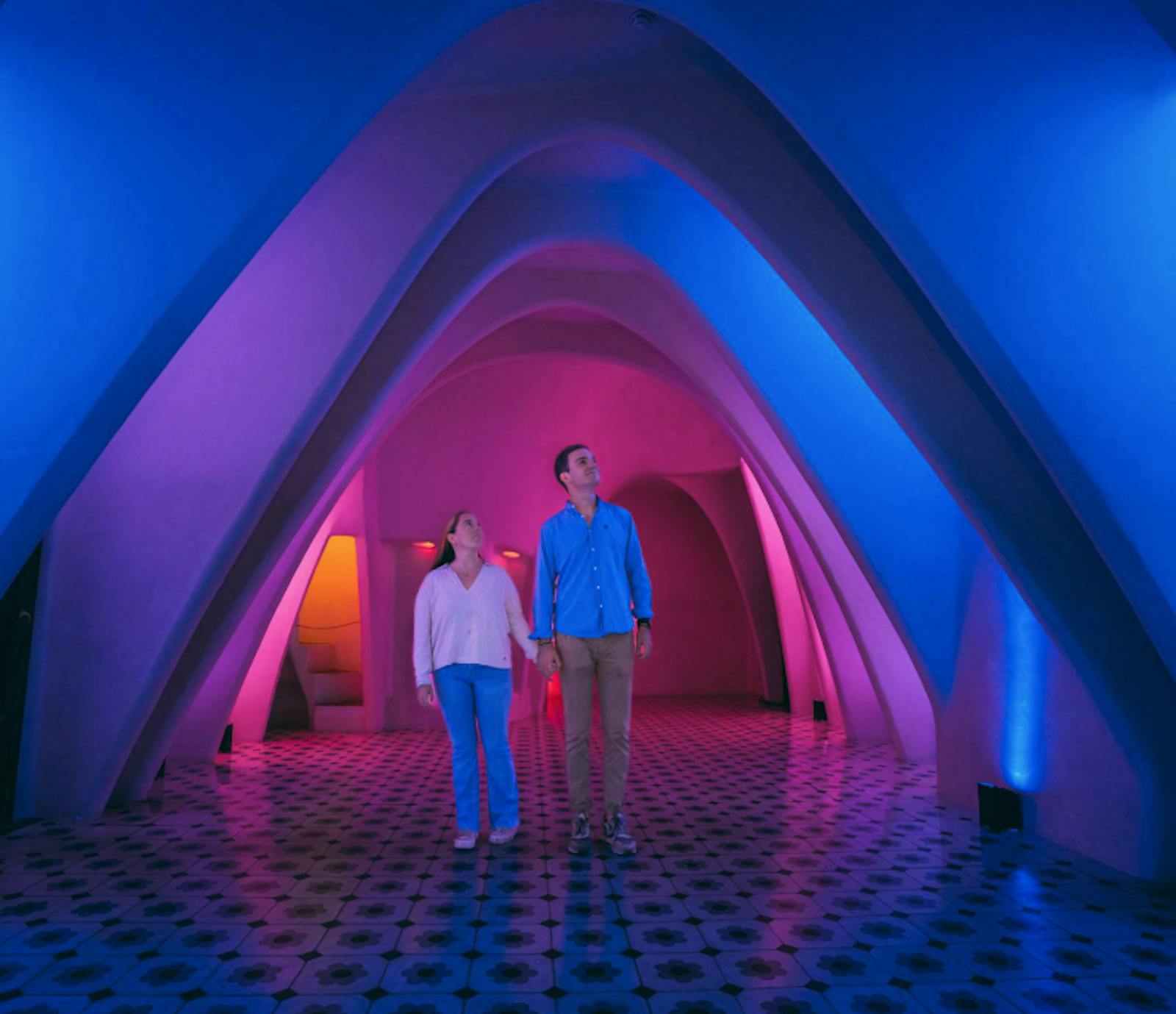
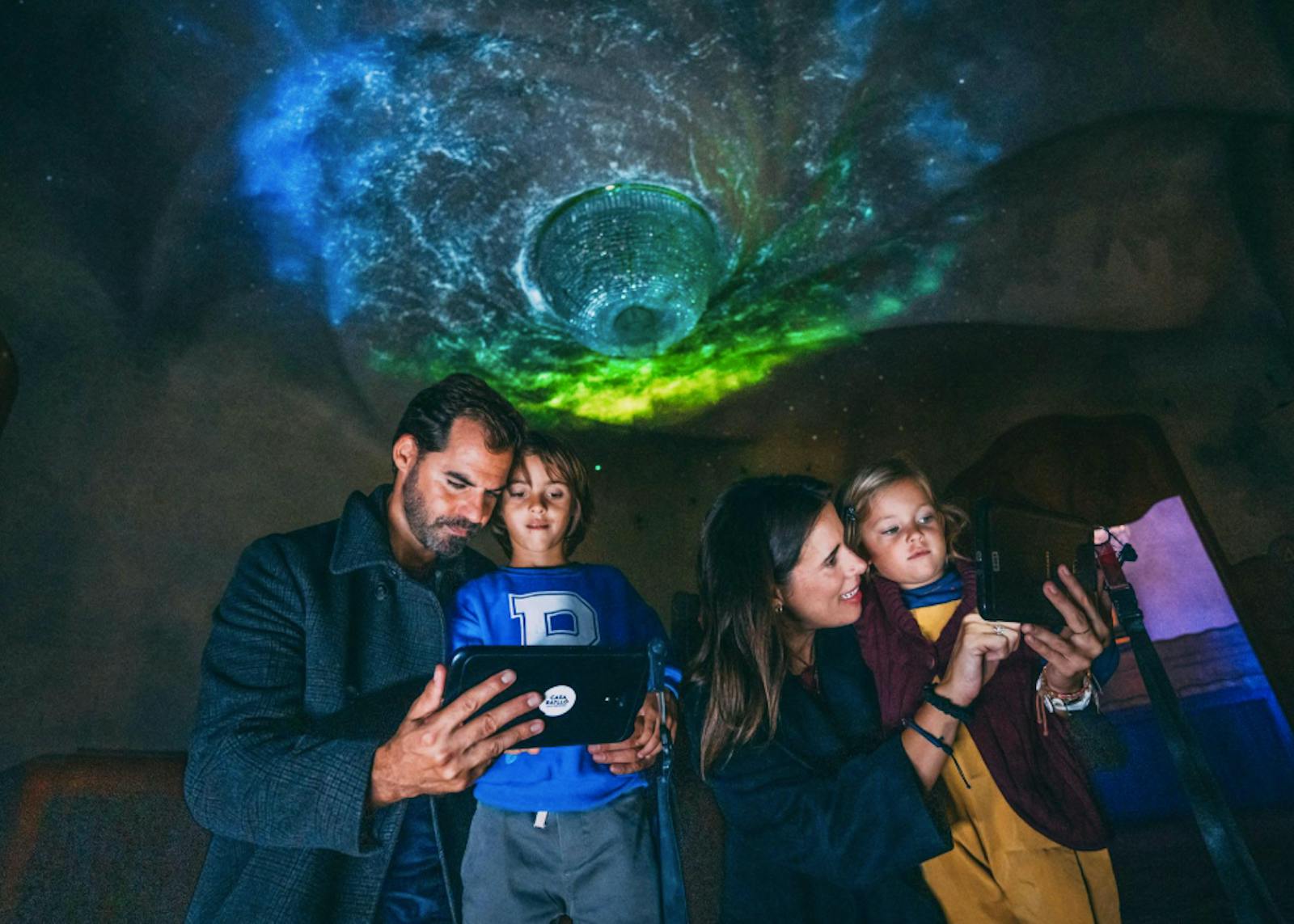
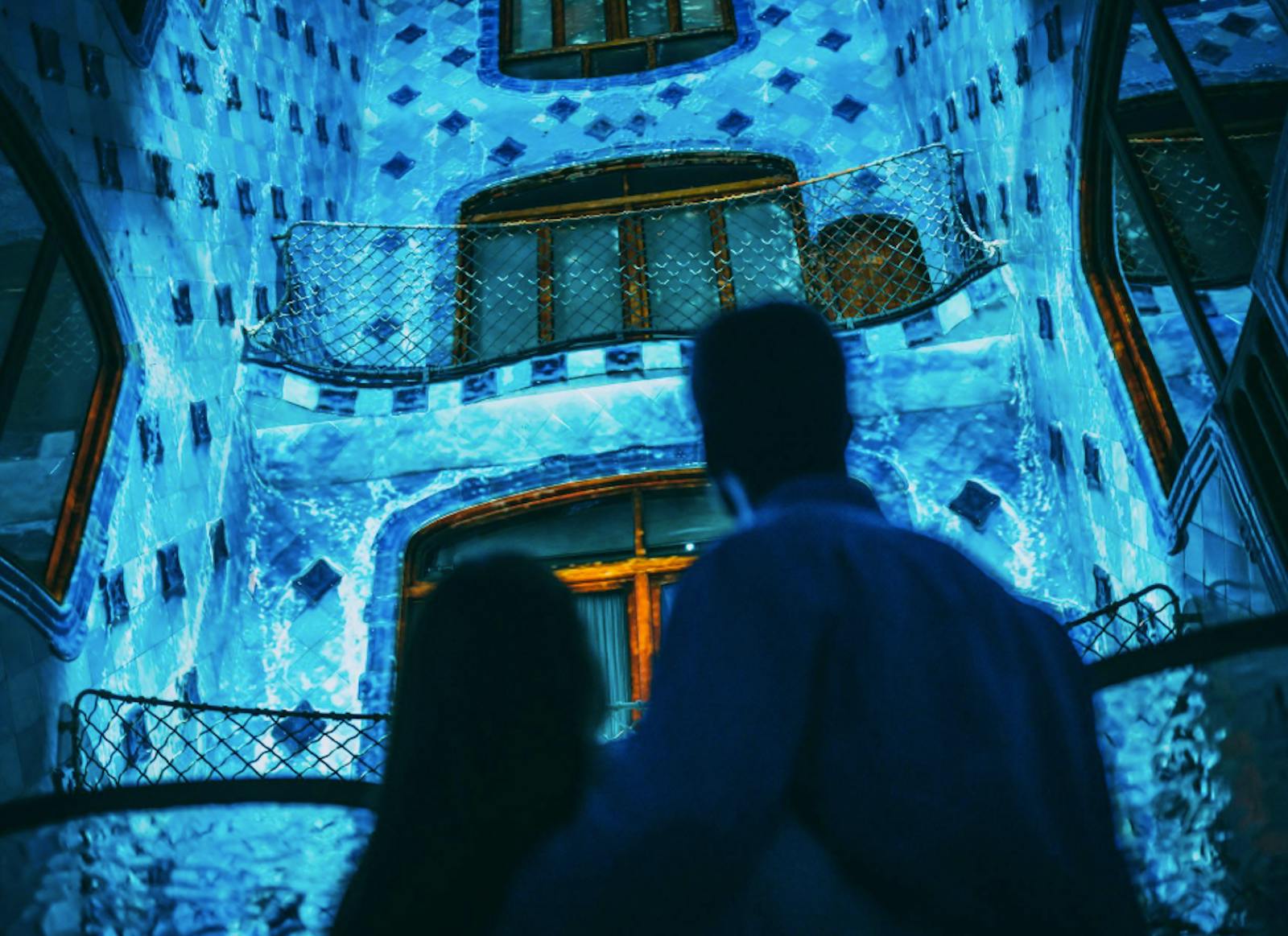
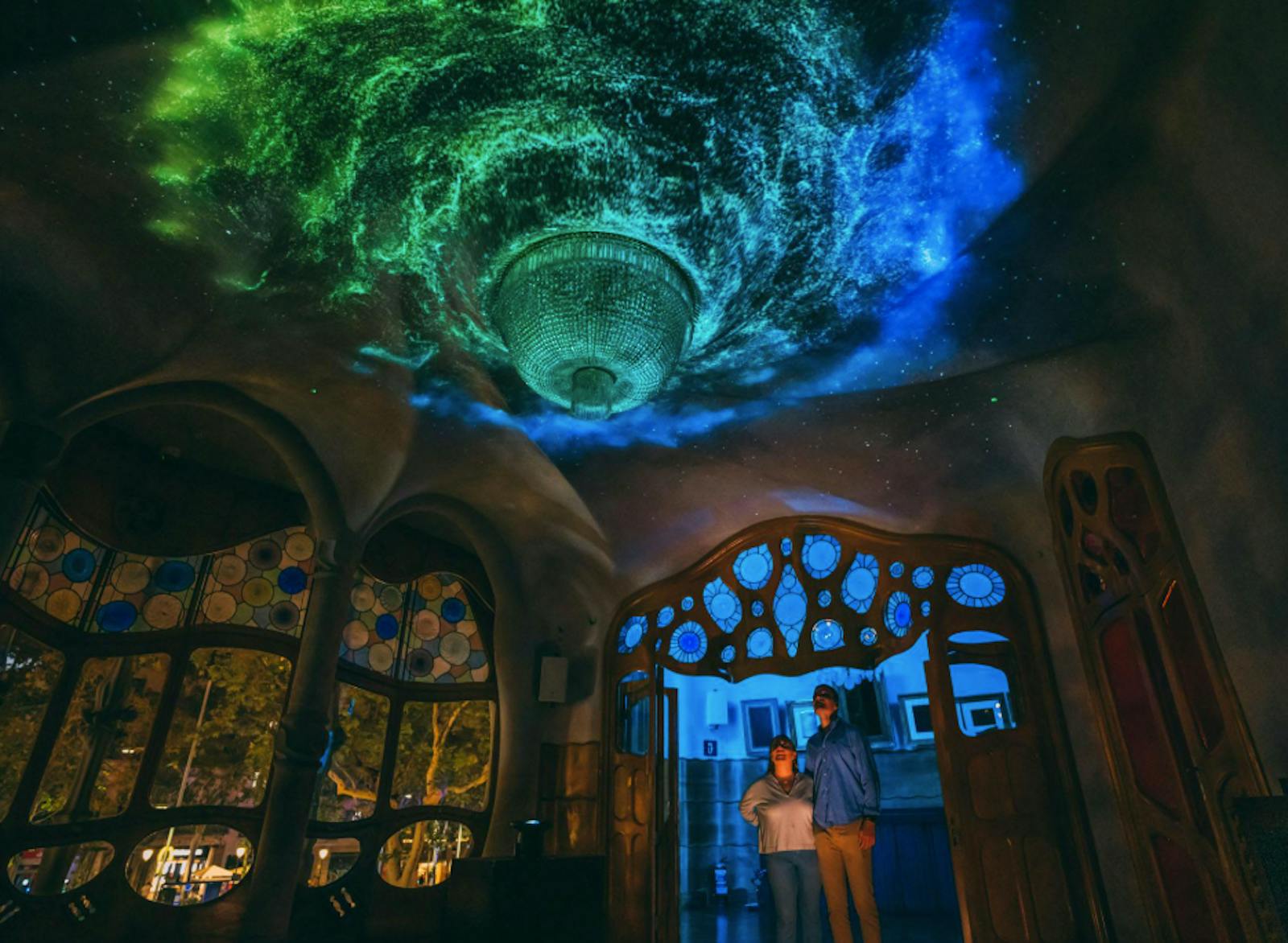

Casa Batlló vs other Gaudí works
Quick comparison with other major sites
| Casa Batlló | Casa Milà (La Pedrera) | Sagrada Família | |
|---|---|---|---|
| Year of creation | 1904-1906 | 1906-1912 | 1882-present |
| Project type | Renovation | Built from scratch | Construction |
| Adult rate | 31€ | 30€ | 26€ |
| Visit duration | 1h30-2h | 1h30-2h | 1h-1h30 |
| Unique feature | Organic façade and legends | 'Soldiers' roof and abstraction | Unfinished church and verticality |
Ready to book?
Choose your tickets online and check their conditions before booking.
Book my tickets